






Defining Ostropologe: What Lies Beneath?
The term ‘ostropologe‘ refers to a specialized field of study that focuses on the intricate relationships between organisms and their environments, particularly in areas that are often overlooked or considered neglected. The etymology of the word can be traced back to the Greek roots “ostron,” meaning shell or environment, and “pologia,” indicating a discourse or study. Thus, ostropologe can be understood as the examination of the dynamics present in lesser-known ecological communities, emphasizing aspects that are not typically the focus of mainstream environmental research.
In contemporary academic fields, ostropologe has found relevance in disciplines such as ecology, conservation biology, and environmental science. Researchers who identify as ostropologe often engage in fieldwork within ecosystems that are frequently ignored, such as urban settings, abandoned sites, or areas undergoing degradation. This close examination permits a more nuanced understanding of biodiversity and ecosystem functionality, revealing significant interactions among organisms and the underlying structures that sustain them.
The significance of ostropologe extends beyond mere academic interest. It assists in uncovering ecological phenomena that could be vital for biodiversity conservation and ecosystem management. For example, a detailed study into the ostropologe of urban parks might reveal hidden species or critical habitat structures that contribute to local wildlife sustainability. The insights gleaned from such investigations can inform urban planning and contribute to initiatives aimed at restoring degraded landscapes.
In addition, ostropologe has practical applications in everyday contexts, such as community awareness programs that educate the public about local ecosystems. By fostering an appreciation of the often-overlooked ecological relationships, individuals may become more engaged in conservation efforts. This heightened consciousness fosters a broader understanding of how neglected ecological areas contribute to overall environmental health and sustainability.
The Interdisciplinary Nature of Ostropologe
Ostropologe, as a concept, exemplifies the intricate interconnections among various academic disciplines, notably anthropology, sociology, and environmental studies. This interdisciplinary nature allows for a more comprehensive understanding of the complexities inherent to social structures, cultural practices, and environmental interactions in specific contexts. By exploring how ostropologe integrates these fields, we can appreciate its relevance across different realms of inquiry.
In anthropology, ostropologe often serves as a framework through which researchers investigate cultural phenomena that may be overlooked or marginalized. For instance, anthropologists utilize ostropologe to examine the cultural artifacts and practices within ignored communities, revealing profound insights into their social systems and belief structures. By delving into these areas, anthropologists can illuminate the nuances of human behavior, thus enriching our collective understanding of cultural diversity.
In the realm of sociology, the concept of ostropologe encourages scholars to analyze socio-political factors impacting undervalued communities and their environments. Sociological studies that incorporate ostropologe highlight the importance of local narratives and lived experiences, providing valuable perspectives on issues such as inequality and social justice. These insights are crucial for formulating policies and strategies that address the needs of often neglected populations.
Furthermore, in environmental studies, ostropologe fosters an exploration of the relationship between communities and their natural surroundings. By considering the environmental implications of cultural practices, researchers can develop sustainable solutions informed by the knowledge systems inherent to specific communities. This promotes a holistic approach to environmental issues, ensuring that the voices of those often left unheard are included in discussions about ecological conservation.
Thus, the interdisciplinary nature of ostropologe enriches multiple domains, highlighting the necessity of cross-disciplinary collaboration to address complex societal issues effectively.
Ostropologe in Action: Case Studies and Real-World Applications
The field of ostropologe, characterized by its examination of neglected or overlooked spaces, has garnered attention for its practical applications in various areas. One prominent case study involves the “Urban Green Spaces Project” in Berlin, which utilized ostropologe principles to transform abandoned lots into vibrant community gardens. This initiative not only revitalized underused areas but also fostered community engagement and collaboration among residents. By highlighting the potential of these ignored locations, the project demonstrated the impact of ostropologe in enhancing urban environments.
Another noteworthy application can be found in the coastal cities of Italy, where researchers employed ostropologe to assess the ecological health of neglected beaches. By systematically studying these areas, scientists identified critical pollution sources and developed targeted strategies to restore and protect marine ecosystems. This case effectively showcased how ostropologe can contribute to environmental management and preservation efforts, illustrating its significance in safeguarding biodiversity and natural resources.
Furthermore, a groundbreaking project in South Africa exemplified the application of ostropologe in social reform. By investigating previously dismissed informal settlements, researchers unearthed valuable cultural insights and local knowledge systems. This information informed urban planning initiatives aimed at improving living conditions for marginalized populations. By integrating the findings of ostropologe, city planners could develop more inclusive policies that reflected the needs and aspirations of the communities involved. Such cases reveal the versatility of ostropologe and its capacity to bridge gaps between academia, urban development, and community welfare.
Through these compelling examples, it becomes evident that ostropologe is not merely an academic concept but a dynamic approach with real-world implications. The insights drawn from these case studies highlight the necessity of further exploration into ignored corners of our environment, encouraging continued research and practical applications to address societal and ecological challenges.
The Future of Ostropologe: Trends and Innovations
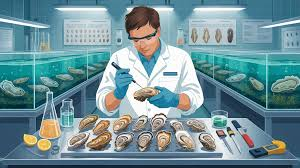
The realm of ostropologe is experiencing an evolution driven by advancements in technology and the ever-growing need for environmental sustainability. As researchers delve deeper into the intricacies of this field, several trends are emerging that could shape its future trajectory. One notable trend is the increased integration of artificial intelligence (AI) and machine learning into research methodologies. These technologies allow for the analysis of vast datasets, leading to more comprehensive understanding and faster identification of patterns that were previously overlooked in the study of neglected ecosystems.
In addition to AI, there is a rising focus on interdisciplinary collaboration among scientists from various fields such as ecology, geography, and urban planning. This collaborative approach fosters innovative solutions to complex problems associated with the preservation and study of obscured environments. By leveraging diverse expertise, ostropologe can contribute not only to academic knowledge but also to practical applications that benefit society as a whole.
Another significant trend is the increasing reliance on citizen science, where the general public actively participates in data collection and observation. This movement not only expands the research capacity of ostropologe but also raises awareness about the importance of these often-ignored areas. Citizens equipped with smartphones and basic training can contribute valuable insights from their local environments, enriching the research landscape.
Lastly, the sustainability movement is likely to influence the focus of ostropologe research. Scholars are expected to prioritize studies that promote ecological balance and resilience, exploring how neglected corners can be integrated into broader conservation strategies. This shift not only answers pressing environmental questions but also emphasizes the significance of preserving these unique ecosystems for future generations.
In summary, the future of ostropologe appears promising, marked by innovation and a collaborative spirit. The incorporation of new technologies and methodologies will likely propel this field into a new era of discovery and application, allowing us to unlock the mysteries hidden within overlooked spaces.